
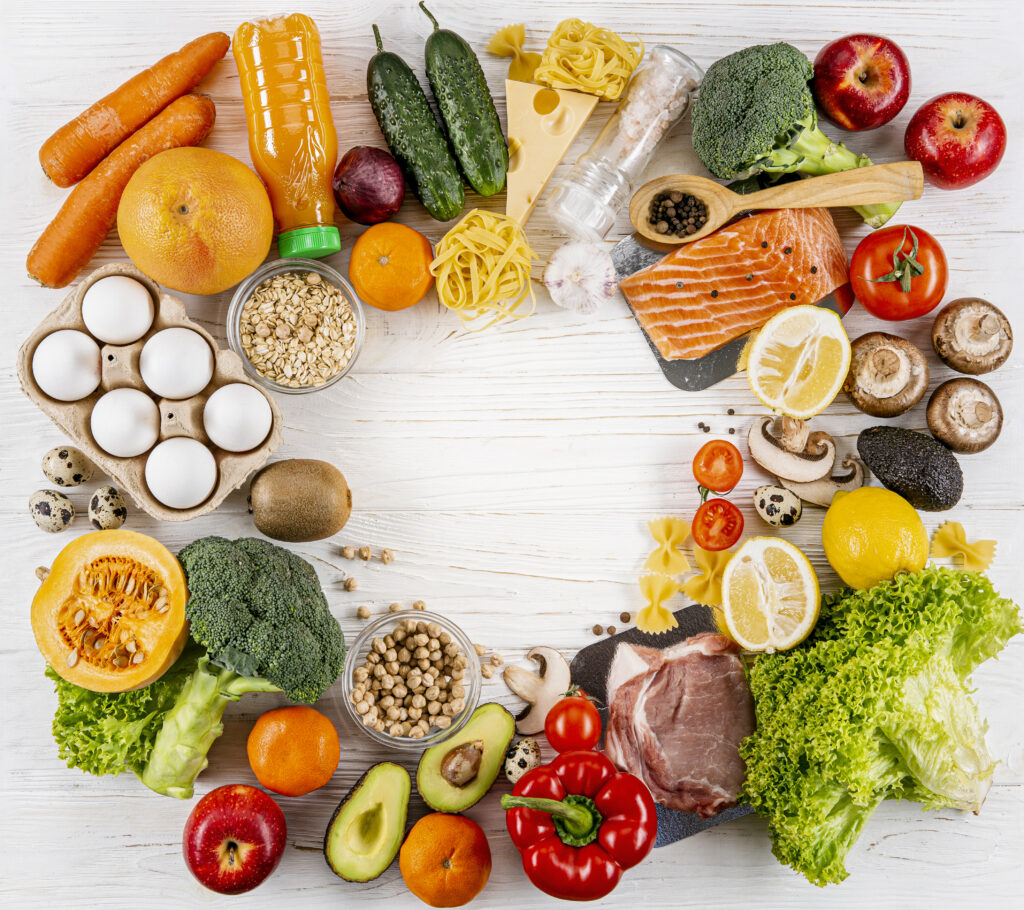
As the world’s population continues to rise at an unprecedented rate, the role of agriculture has never been more critical. With projections estimating that the global population could reach nearly 10 billion by 2050, the demand for food, water, and resources is increasing rapidly. Agriculture, the backbone of food production, must evolve and expand to meet these growing needs. Without significant investment in and attention to agricultural development, the world risks facing severe food shortages, increased poverty, and heightened social and economic instability.
Agriculture is the foundation of food security. Every person added to the global population increases the need for staple crops, livestock, fruits, and vegetables. But meeting this demand isn’t simply about growing more food—it’s about growing it sustainably. Land and water resources are limited, and climate change is intensifying the challenges farmers face, from extreme weather events to shifting growing seasons and pest outbreaks. This means that agricultural innovation—through improved farming practices, technology, crop science, and sustainable resource management—is essential to produce more with less.
Moreover, agriculture is not just about feeding people; it is also a major driver of economic growth, particularly in developing countries. A strong agricultural sector creates jobs, supports rural communities, and fuels related industries like transportation, manufacturing, and retail. As the population increases, so does the need for a robust agricultural supply chain that can handle everything from food production to distribution and access.

Investing in modern farming techniques such as precision agriculture, vertical farming, and genetically improved crops can help bridge the gap between supply and demand. Governments, private sectors, and international organizations must work together to support farmers through education, funding, infrastructure, and access to markets. Equally important is empowering small-scale farmers, especially women and youth, who play a significant role in global food production but often lack the resources and support they need to thrive.
In conclusion, agriculture is central to the future of humanity. As the global population grows, the pressure on our food systems intensifies. Addressing this challenge requires a renewed commitment to strengthening agriculture, embracing innovation, and ensuring that food systems are equitable, resilient, and sustainable. Feeding billions of people is not a distant problem—it’s a present and urgent mission that starts with prioritizing agriculture today.